
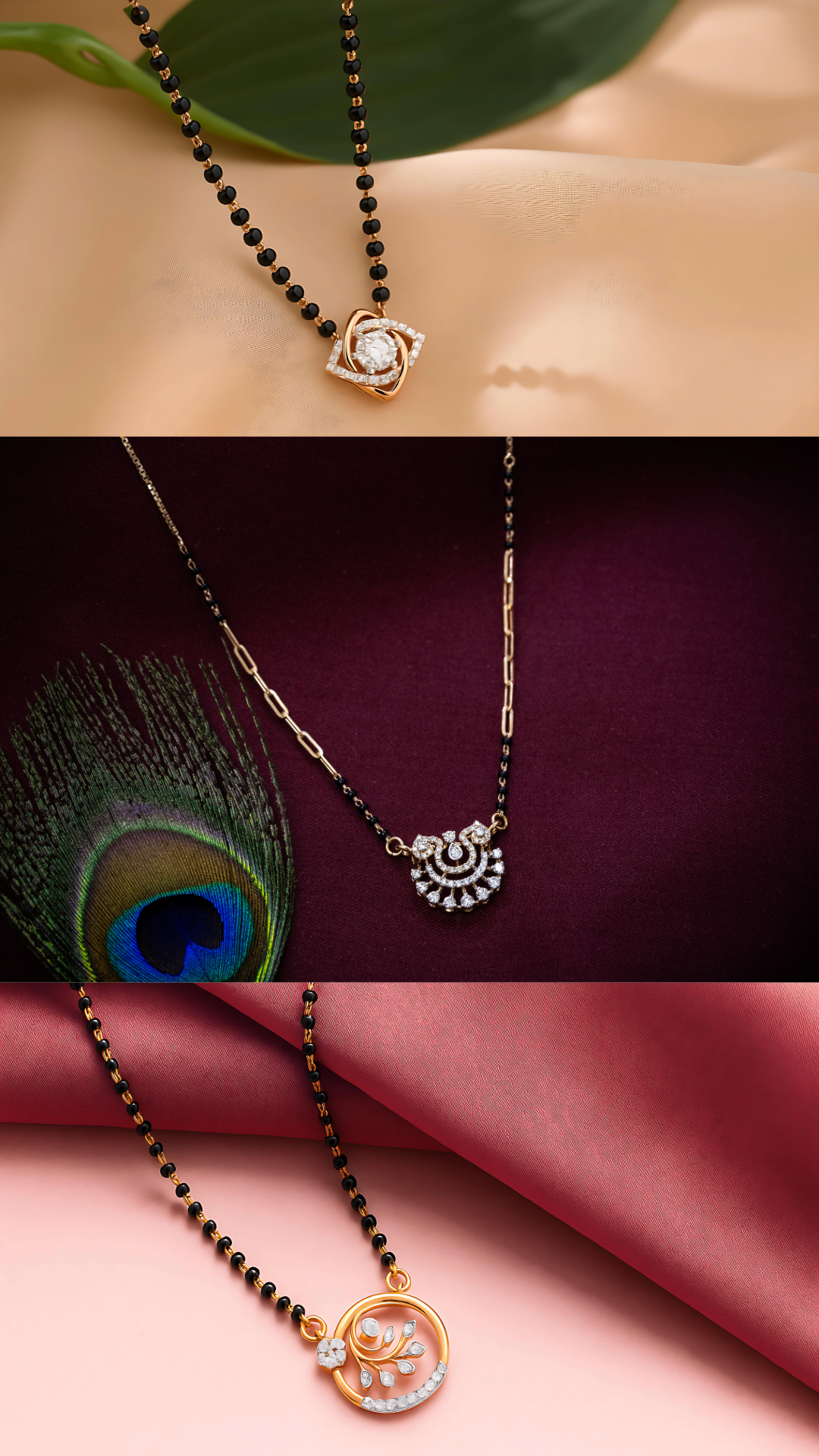
She wore her mother’s mangalsutra for six years before she ever thought to change it.
Then, at a cousin’s wedding, she saw it — a mangalsutra with a small diamond pendant catching the light every time the bride moved her head. Not loud. Not flashy. Just quietly beautiful in a way the traditional black-bead-and-gold design had never quite been for her.
She didn’t ask where to buy one. She asked who made it.
Some Traditions Don’t Change. The Way We Wear Them Does.
A mangalsutra was never meant to be just jewellery. It’s a symbol — of marriage, of commitment, of a bond most Indian women wear every single day of their lives.
That’s exactly why so many women hesitate to update it. Changing something so meaningful can feel like changing the meaning itself.
But here’s what’s actually happening across India right now: the symbol is staying exactly the same. What’s changing is the craftsmanship — and increasingly, that craftsmanship includes lab grown diamonds.
What Is a Lab Grown Diamond Mangalsutra?
At its core, it’s still a mangalsutra — the same black and gold beads, the same sacred thread of tradition. The difference is in the pendant: instead of plain gold, or in place of a small ruby or synthetic stone, brides today are choosing a genuine diamond pendant, grown in a controlled lab environment rather than mined from the earth.
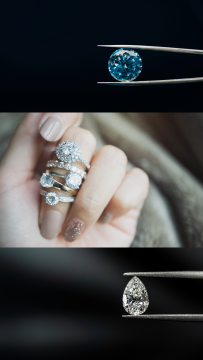
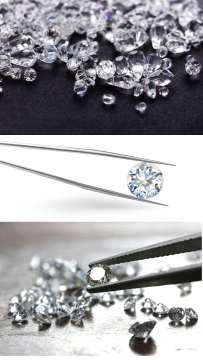
It’s worth saying clearly: a lab grown diamond is a real diamond. Same chemical composition, same hardness, same brilliance as a natural diamond. The only difference is where it came from — underground over billions of years, or in a lab over a few weeks.
For a piece of jewellery worn daily, for decades, that distinction matters less than most people expect. What matters is that it’s genuine, it’s certified, and it’s beautiful enough to wear with pride every single day.
Micro Story #1: The Bride Who Almost Said No
A bride-to-be in Ahmedabad had her heart set on a traditional gold-only mangalsutra, the same design her grandmother wore.
Her jeweller showed her a version with a small lab grown diamond pendant, almost as an afterthought. She said no at first — it felt like too much change, too fast.
She came back three days later and asked to see it again. She bought it that same afternoon.
Why Lab Grown Diamonds Are Entering Mangalsutra Design Now
This shift isn’t happening by accident. A few real forces are driving the lab grown diamond mangalsutra trend, and understanding them helps explain why this feels less like a passing fashion and more like a lasting shift.
Diamonds Are More Accessible Than Ever
Lab grown diamond prices have dropped significantly in recent years as production has scaled up. What once felt reserved for engagement rings and anniversary gifts is now realistic for a piece meant for daily wear — including a mangalsutra pendant.
Brides Want Something That Feels Personal
A mangalsutra is one of the few pieces of jewellery a woman chooses for herself, rather than receiving as a gift picked by someone else. That makes personalization matter more here than almost anywhere else in Indian bridal jewellery.
Daily Wear Deserves Real Craftsmanship
Unlike a necklace saved for special occasions, a mangalsutra is worn constantly — at work, at home, through every ordinary day. Brides increasingly want that daily piece to feel as considered and beautiful as anything they’d wear for a single event.
Traditional Mangalsutra vs. Modern Lab Grown Diamond Mangalsutra
Understanding what’s actually different helps put this trend in context.
| Traditional Mangalsutra | Modern Lab Grown Diamond Mangalsutra | |
|---|---|---|
| Core design | Black beads, gold pendant | Same black beads, gold pendant with diamond accent |
| Pendant material | Plain gold, sometimes small coloured stones | Certified lab-grown diamond, set in gold |
| Symbolism | Fully preserved | Fully preserved |
| Everyday wearability | High | High — diamonds are extremely durable |
| Customization options | Limited | Wide — carat size, setting style, pendant shape |
| Typical price range | Lower (gold-only pricing) | Moderate increase, depending on diamond size |
Nothing about the meaning changes. What changes is how personal and considered the piece can feel.
Micro Story #2: The Mother Who Understood Before Anyone Explained It
A mother shopping for her daughter’s wedding jewellery initially resisted the idea of a diamond mangalsutra, worried it strayed too far from tradition.
Then she held one — felt the weight of the gold, saw how the small diamond caught the light without overpowering the design.
“It’s still a mangalsutra,” she said quietly. “It just looks like it was made for her, specifically.”
She ordered one that same visit, for her daughter’s wedding trousseau.
How to Choose the Right Lab Grown Diamond Mangalsutra
This is where most brides feel a little lost — not because the decision is complicated, but because nobody’s really explained what actually matters.
Start With the Pendant Shape, Not the Diamond Size
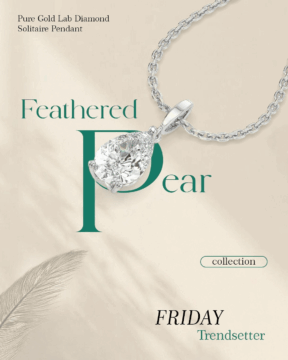
A larger diamond isn’t automatically the right choice. Round and princess-cut pendants suit most necklines and daily wear; teardrop and heart shapes carry more sentimental symbolism for many brides.
Choose Gold Karat Based on How Often You’ll Wear It
- 18KT gold — better durability for daily wear, slightly more affordable than 22KT
- 22KT gold — richer color, more traditional look, common in bridal sets
Always Ask for Certification
A genuine lab grown diamond, even a small one, should come with certification from a recognized lab like IGI or GIA. This isn’t about the diamond being “less real” — it’s simply good practice for any diamond purchase, regardless of size or occasion.
Think About the Chain Length Now, Not Later
Mangalsutra chains are traditionally long, but many brides today prefer a shorter, more contemporary length for daily comfort. Decide this before finalizing the design, since adjusting length later can affect the overall proportions.
Pain Points + Solutions
“I don’t want to feel like I’m changing something sacred.”
This fear is completely valid, and it’s the single biggest hesitation brides have about this trend.
The solution: Nothing about the symbolism changes. The black beads, the gold, the meaning behind wearing it every day — all of that stays exactly the same. The diamond pendant is an addition to the craftsmanship, not a replacement for tradition.
“I’m worried a lab grown diamond isn’t ‘real enough’ for something this meaningful.”
This concern comes up often, and it deserves a direct answer.
The solution: A certified lab grown diamond is chemically and physically identical to a mined diamond. The only difference is origin. For a piece meant to carry meaning for decades, what matters is that it’s genuine and certified — not where the carbon atoms originally came from.
“I don’t know if it’ll still feel appropriate for daily, ordinary days — not just special occasions.”
Many brides worry that anything with a diamond will feel too formal for regular wear.
The solution: A well-chosen mangalsutra pendant, even with a diamond, is designed specifically for daily wear — smaller stones, secure settings, and durable metals. It’s meant to disappear into your everyday life, not stand out as an event piece.
Micro Story #3: The Woman Who Wore It to Work the Next Day
A newly married woman wore her lab grown diamond mangalsutra to her office the Monday after her wedding, half-expecting comments or questions.
Nobody noticed anything unusual — it simply looked like a beautiful, well-made mangalsutra, exactly as it should.
“That was actually the best compliment it could get,” she said later. “It didn’t look like a statement. It looked like mine.”
Why This Matters to You, Personally
If you’re getting married soon, or updating a mangalsutra you’ve worn for years, this decision isn’t really about following a trend. It’s about choosing something you’ll look at every single day, for the rest of your life.
That deserves more thought than picking whatever’s available at the nearest counter. It deserves a piece that feels genuinely yours — meaningful, well-made, and chosen with real understanding rather than pressure or assumption.
How to Make the Right Decision
Step 1: Decide how the mangalsutra fits into your daily life. Will you wear it constantly, or reserve it for specific occasions? This shapes every other decision, from chain length to setting style.
Step 2: Choose the diamond size based on comfort, not just appearance. A smaller, well-set diamond often wears more comfortably day-to-day than a larger one chosen purely for visual impact.
Step 3: Always request certification. Whether the diamond is lab grown or natural, ask for IGI or GIA certification before finalizing your purchase.
Step 4: Decide on gold karat based on your lifestyle. 18KT for durability and daily wear, 22KT for a richer, more traditional bridal look.
Step 5: Trust the design that feels like you, not just the one that’s trending. The right mangalsutra is the one you’ll still love wearing ten years from now — not just the one that photographs well today.
FAQs
1. Is a diamond mangalsutra a good choice for daily wear? Yes. Diamonds are extremely durable, making them well-suited for daily wear when set properly in a secure mangalsutra pendant design.
2. What is the latest trend in mangalsutra designs? Modern mangalsutra designs increasingly feature diamond pendants, including lab grown diamonds, combined with traditional black beads and gold — blending sentiment with contemporary craftsmanship.
3. Can a mangalsutra have lab grown diamonds? Yes. Lab grown diamonds are genuine diamonds, chemically identical to natural ones, and are increasingly used in mangalsutra pendants for their accessibility and brilliance.
4. How much does a diamond mangalsutra cost in India? Pricing depends on gold weight, diamond carat size, and design complexity. Lab-grown diamond options are generally more accessible than natural diamond equivalents at comparable carat sizes.
5. What gold karat is best for a mangalsutra? 18KT gold offers better durability for daily wear, while 22KT gold provides a richer, more traditional bridal appearance. The right choice depends on how often the piece will be worn.
6. Does a lab grown diamond mangalsutra look different from a traditional one? Not fundamentally. The core design — black beads and gold — stays the same. The difference is a diamond accent on the pendant, which adds brilliance without changing the overall traditional silhouette.
7. Is it disrespectful to modernize a traditional mangalsutra design? No. The symbolism and meaning of the mangalsutra remain fully intact. Updating the craftsmanship or materials doesn’t change what it represents.
8. Should I choose a lab-grown or natural diamond for my mangalsutra? Both are genuine diamonds. Lab-grown diamonds typically offer better value at comparable quality, making them a practical choice for a piece meant for everyday, long-term wear.
Conclusion
A mangalsutra was never about the material it’s made from. It was always about what it means to wear it — every single day, without exception, for as long as you’re married.
Choosing a version that feels genuinely yours doesn’t take anything away from that meaning. If anything, it adds something: the quiet pride of wearing a piece that was chosen with real care, not just tradition on autopilot.
If this feels like something made for you — trust that feeling.